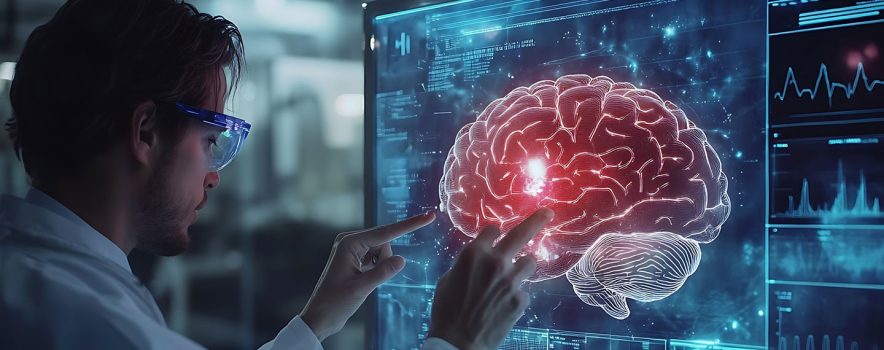
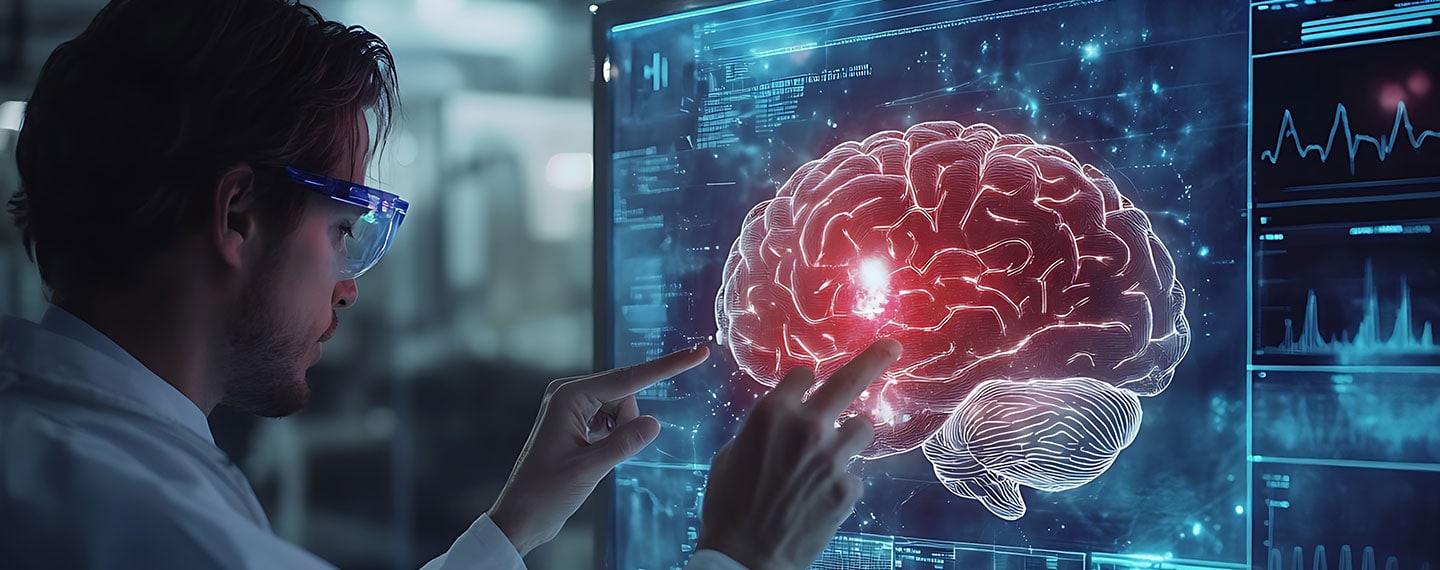
We live in an age of complexity and global interdependence. If we had to consciously evaluate every stimulus we encountered, our brains would be overwhelmed. So for most familiar situations, what we call “decisions” are really automatic responses generated by neural shortcuts.
That’s not a flaw; it’s a necessity.
The challenge is that much of this automatic processing still relies on ancient circuitry shaped for a world of immediate threats, scarce resources, and tight‑knit tribes—a world radically different from the one we inhabit today. In that earlier world, tendencies toward fight‑or‑flight, tribal loyalty, and dominance were essential to survival. They helped our ancestors avoid predators, secure resources, and protect their groups.
But today, those same reflexes are inappropriately triggered by online disagreements, political differences, or unfamiliar ideas—contexts they were never designed for.
We react to discomfort as if it were danger.
We cling to ideological tribes as if our lives depended on it.
We resist change not because it’s harmful, but because our brains equate uncertainty with threat.
How Big of an Issue Is This?
It’s huge. It shapes nearly every part of our lives, mostly without us even realizing it.
Cognitive science estimates that 90–95% of our thinking is governed by fast, automatic, emotionally driven processes—what researchers call System 1. The slower, more deliberate System 2 mode is used only a small fraction of the time. In effect, we’re running planetary‑scale societies on Stone Age software.
Unless we intervene consciously, these reflexes will continue shaping our decisions, relationships, and institutions in ways that no longer match the world we’ve created—or the worldview that science now reveals: a reality defined by deep interconnection, fluidity, and participation.
Understanding how our minds construct these frameworks is the first step toward updating them.
How Automatic Responses Have Helped—And Why They Need Updating
System 1 thinking is efficient and essential. It keeps us from having to analyze every situation from scratch. But because our survival needs have changed, we must learn to redirect these automatic processes rather than be ruled by them.
Consider a few examples:
- Fight‑or‑flight: Once a lifesaving response to predators, it now activates during difficult conversations or unfamiliar ideas.
- Tribal thinking: What once protected small groups now fuels polarization and us‑vs‑them mentalities.
- Pattern recognition: A useful shortcut in the past, but today it can trap us in rigid assumptions and prevent adaptation.
These mechanisms still influence us, but they can limit us when they lead to snap judgments, reactive behaviors, or resistance to change. In a world defined by global interdependence, our survival increasingly depends on different kinds of automatic responses—ones that favor cooperation, curiosity, and connection.
How Automatic Thinking Gets in the Way Today
Running on autopilot can keep us stuck on past ways of doing things, even when the past no longer fits the present. Some of the most common ways this shows up include:
- Accepting inherited beliefs as unquestionable truths rather than examining whether they still serve us.
- Political polarization, driven by tribal instincts that make it difficult to listen or find common ground.
- Defensive reactions when our worldview is challenged, even when new perspectives might expand our understanding.
- Clinging to outdated cultural norms simply because they’re familiar.
When beliefs and behaviors become too deeply ingrained, we risk perpetuating harm simply because “that’s how things have always been done.”
Redirecting Our Autopilot Thinking
The goal isn’t to eliminate automatic thinking—it’s to shape it. Thanks to neuroplasticity, our brains can develop new default patterns through awareness, repetition, and intentional practice.
Here are some ways to begin:
- Recognize autopilot in action. A simple pause can interrupt habitual reactions.
- Question inherited narratives. Ask why things are the way they are—and whether they still make sense.
- Reframe situations through a lens of interconnection. Look for broader contexts rather than narrowing into conflict.
- Practice mindful engagement. Presence disrupts automatic responses and opens space for new possibilities.
These practices help shift our mental defaults from fear and defensiveness toward curiosity and openness—qualities far more aligned with the interconnected reality science now reveals.
Rebuilding Our Mental Defaults for an Interconnected World
If humanity is to thrive in the future, we need automatic responses that reflect the world we actually live in: a world where our actions ripple outward, where cooperation is essential, and where our fates are intertwined.
Here are ways to cultivate those new defaults:
- Seek diverse perspectives. Exposure to different cultures and ideas expands our sense of reality and reduces reflexive fear.
- Engage in philosophical and existential questioning. Asking deeper questions trains the mind to think beyond inherited assumptions.
- Shape new social norms. When enough people adopt frameworks based on cooperation and understanding, those norms become self‑
- Commit to adaptability. Curiosity and flexibility can become automatic responses with practice.
- Create spaces for collective dialogue. Art, writing, and community conversations help us explore shared meaning and build common ground.
These shifts help align our mental habits with a worldview grounded in interconnection rather than separation.
Shaping the Future Involves Shaping Our Thinking
The real challenge isn’t changing how the brain works—automatic processing will always be part of being human. The challenge is recognizing which automatic responses no longer serve us and consciously replacing them with ones that support a more interconnected, compassionate, and reality‑aligned way of living.
It won’t happen overnight. Our species evolved over thousands of years in environments where fight‑or‑flight reflexes were essential. But today, our survival depends on different instincts: cooperation over conflict, curiosity over certainty, connection over division.
The emerging scientific worldview shows us that reality is relational, dynamic, and deeply interconnected. Updating our mental defaults to match that reality isn’t just a psychological task—it’s an evolutionary one.
And it begins with awareness, intention, and the willingness to rethink how we think.